Before the pandemic, labor meant showing up at an office, clocking in, and following a schedule. People talked about work-life balance like it was a luxury. Then everything changed. The world didn’t just shift-it fractured. And what we thought we knew about labor? Most of it doesn’t apply anymore. Today, labor isn’t about where you are. It’s about what you deliver, when you’re able, and who you’re allowed to be while doing it.
Some people still chase the old model. There are those who believe remote work is just a phase, or that productivity only happens under fluorescent lights. But data doesn’t lie. A 2024 study by the International Labour Organization showed that 62% of workers in high-income countries now prefer hybrid or fully remote setups. And in places like Indonesia, where infrastructure and cost of living make commuting brutal, the shift isn’t just preferred-it’s necessary. You can’t force people back to cubicles when they’ve tasted freedom. That’s why companies that cling to 9-to-5 mandates are losing talent faster than they can post job ads. If you’re still measuring output by hours logged, you’re already behind.
And then there’s the emotional cost of work. Burnout isn’t just a buzzword anymore. It’s a diagnosis. In 2023, the World Health Organization reported a 35% spike in work-related stress disorders globally. People aren’t quitting because they’re lazy. They’re leaving because the system doesn’t see them as humans. A nurse in Jakarta works 14-hour shifts and still gets paid less than a delivery rider in Bandung. A factory worker in West Java gets no sick leave. A freelance designer in Surabaya invoices clients who pay late, then waits weeks for rent money. Labor used to mean a paycheck. Now it often means survival.
What’s changed isn’t just technology-it’s power. Workers have more leverage than they’ve had in decades. Platforms like Upwork and Fiverr let people sell skills directly. Apps like Gojek and Grab turn anyone with a bike or car into a micro-entrepreneur. Even traditional jobs now come with new expectations: flexibility, mental health days, autonomy. Employers who don’t adapt aren’t just unpopular-they’re irrelevant. The quiet resignation of a generation is rewriting the rules of employment. And no HR policy can undo that.
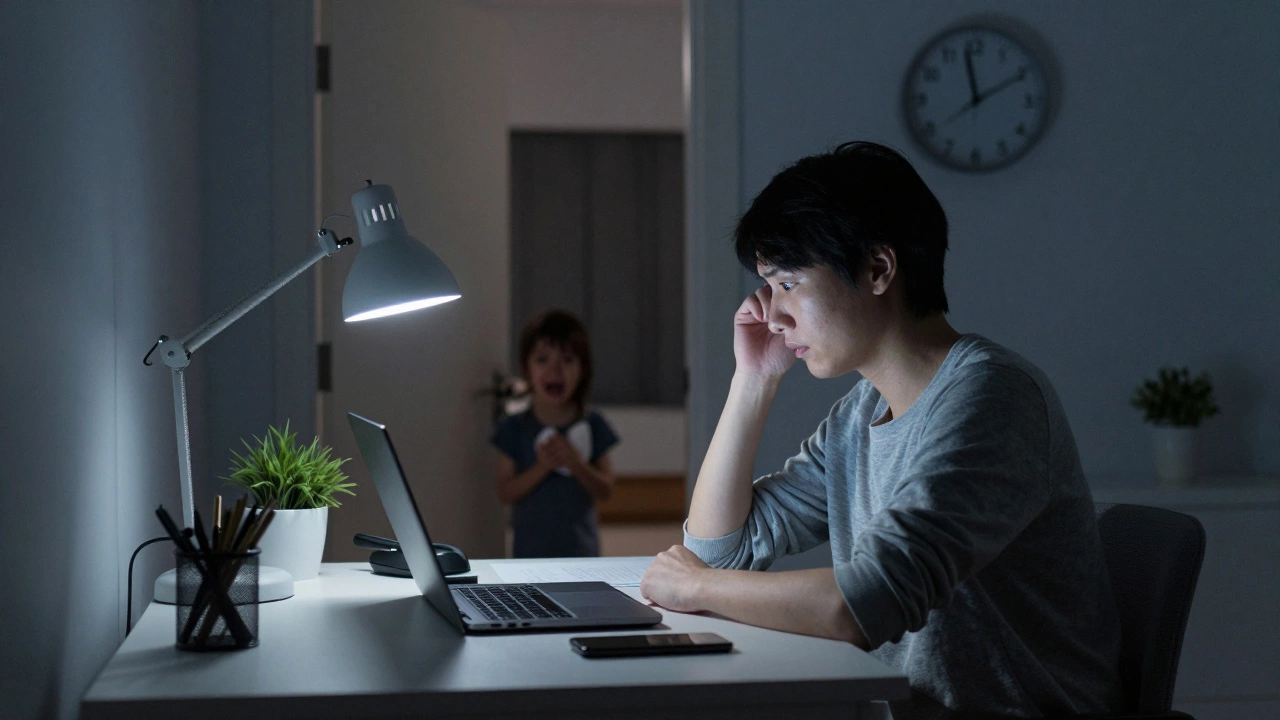
Let’s talk about the invisible labor. The unpaid emotional work. The parent who logs off Zoom to calm a crying child, then gets back online at midnight. The caregiver who checks on an elderly parent before starting their own shift. The woman who cleans the house after working a double shift at a call center. This labor doesn’t show up on timesheets. It doesn’t get counted in GDP. But it keeps the world running. And yet, it’s still treated like background noise. We celebrate productivity while ignoring who pays the real price for it.
There’s a strange irony here. While millions fight for dignity in their jobs, others exploit the same systems for profit in ways that have nothing to do with labor at all. For example, syrian escort dubai services thrive in the shadows of global mobility and economic disparity. They exist because some people have money and no boundaries, while others have no safety net and no choice. This isn’t labor-it’s desperation dressed up as commerce. But it’s a symptom of the same broken system: when dignity is stripped from work, people turn to anything that offers survival, even if it’s dangerous or degrading.
Meanwhile, the gig economy promised freedom. But freedom without protection is just vulnerability. Delivery drivers in Jakarta now face algorithm-driven pressure: if you don’t accept five orders in ten minutes, your rating drops. If your rating drops, you’re cut off. No union. No recourse. Just a phone and a scooter. And yet, these workers are the most visible face of modern labor. They’re out there in the rain, in the heat, at 3 a.m., because there’s no other option. Their labor isn’t glamorous. But it’s essential.
What does the future hold? It’s not about returning to normal. Normal is gone. The question now is: what kind of labor do we want to build? Do we want a world where your worth is tied to your availability? Or one where your value is measured by your contribution, not your presence? Where rest is part of the job description? Where caregivers, cleaners, coders, and cashiers all get paid fairly, respected, and protected?
Some countries are trying. Portugal passed a law giving workers the right to disconnect after hours. New Zealand introduced a four-day workweek pilot that boosted productivity and happiness. In Indonesia, the government started piloting social safety nets for gig workers. These aren’t perfect. But they’re steps. And they matter. Because labor isn’t just about money. It’s about identity. It’s about dignity. It’s about whether you wake up and feel like a person-or just a resource.
And then there’s the noise. The distraction. The endless scroll of influencers selling ‘hustle culture’ like it’s a virtue. ‘Work harder.’ ‘Grind.’ ‘No days off.’ But what if the real rebellion isn’t working more? What if it’s refusing to let your life be defined by your job? What if the most radical thing you can do is say no-to overtime, to guilt, to the expectation that you must be always on?
There’s a new kind of worker emerging. One who sets boundaries. One who demands respect. One who knows their worth isn’t tied to their email response time. They’re not quitting. They’re redefining. They’re choosing to build lives, not just careers. And they’re not waiting for permission.
It’s 2025. The old rules are dust. The new ones are still being written. You’re not just a worker. You’re a citizen of this new world. And you have a voice. Use it. Ask for better. Walk away from bad jobs. Support policies that protect people, not profits. And if you’re in a position to hire, remember: the best talent doesn’t want to be controlled. They want to be trusted.
And yes, in the same cities where people are fighting for basic rights, there are services like pornstar escort dubai-a symptom of inequality, not a solution. They exist because systems failed. Because some people have nothing left to lose. Because others have everything and don’t care. That’s not labor. That’s collapse. And it’s happening in plain sight.
So what is labor now? It’s resilience. It’s boundaries. It’s rest. It’s saying no. It’s demanding fair pay, mental health support, and time to breathe. It’s knowing that your life is not a commodity. And it’s refusing to let anyone tell you otherwise.
One last thing: if you’re reading this and you’re tired-really tired-you’re not alone. You’re not lazy. You’re not failing. You’re human. And the world needs you to rest. Not tomorrow. Not next week. Now. Because labor without life isn’t labor at all. It’s exhaustion with a paycheck.
And in places like Bandung, where the traffic never stops and the cost of living keeps rising, people are starting to realize: the only thing more valuable than a job is a life worth living. That’s the new definition of labor. And it’s spreading.
Meanwhile, the shadows still hold their own trade. bur dubai escort services operate in the same global economy that leaves millions without healthcare, childcare, or a living wage. They’re not the problem. They’re the mirror. And it’s time we stopped looking away.
Postingan Populer